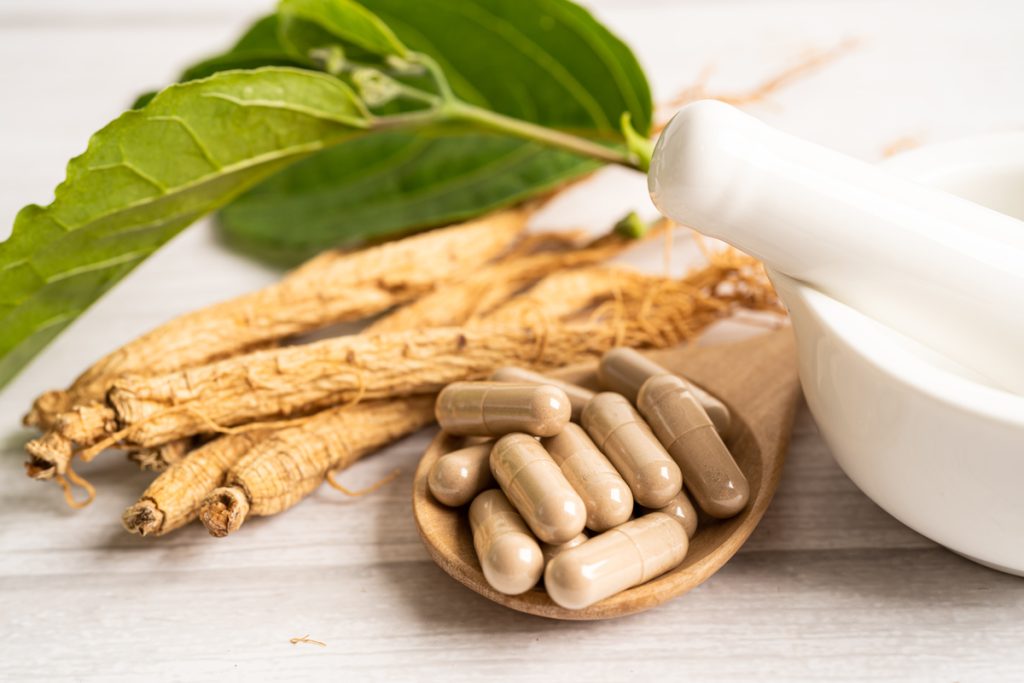
The Science of Phytoestrogens in Thai Herbs: Nature Meets the Lab
For centuries, Thai traditional medicine has relied on “White Kwao Krua” (Pueraria Mirifica) as a fountain of youth. But as we move through 2026, the conversation has shifted from “folklore” to “molecular biology.”
What is actually happening inside your cells when you use these herbs? The answer lies in the fascinating science of phytoestrogens.
What Are Phytoestrogens?
Phytoestrogens are plant-derived compounds that share a strikingly similar chemical structure to $17\beta\text{-estradiol}$, the primary estrogen in the human body. Because of this “mimicry,” they can bind to estrogen receptors (ERα and ERβ) in our tissues, helping to modulate hormonal activity.
While many plants contain phytoestrogens (like soy or flax), Thai herbs—specifically Pueraria Mirifica—contain a unique class of these compounds found nowhere else in nature.
The Thai Powerhouse: Miroestrol & Deoxymiroestrol
While most common phytoestrogens are isoflavones (which are relatively weak), Thai researchers at Chulalongkorn University have identified two specific chromenes in Pueraria Mirifica that change the game:
- Miroestrol: A potent compound that shows the highest estrogenic activity of any known plant molecule.
- Deoxymiroestrol: The “precursor” to Miroestrol, which is even more bioavailable and is currently being studied for its rapid absorption into the bloodstream.
2026 Science Note: Unlike synthetic hormones, these Thai phytoestrogens are Selective Estrogen Receptor Modulators (SERMs). This means they can act like estrogen in the bones and skin (where we want it) while remaining neutral in other areas, providing a balanced safety profile.
The Biological Benefits: What the Research Says
1. Bone Metabolism & Density
Estrogen is vital for bone health. Research in 2026 has confirmed that Thai phytoestrogens help inhibit osteoclasts (cells that break down bone) while supporting osteoblasts (cells that build bone). This makes Pueraria Mirifica a key natural tool for preventing age-related bone thinning.
2. Neuroprotection & Cognitive Health
Emerging studies suggest that the phytoestrogens in White Kwao Krua may cross the blood-brain barrier. By reducing oxidative stress in the brain, they may help maintain cognitive clarity and provide “brain fog” relief during the menopausal transition.
3. Cardiovascular Support
Phytoestrogens assist in the production of nitric oxide, which helps blood vessels relax and dilate. This supports healthy blood pressure levels and overall heart health, especially as natural estrogen levels decline.
Thai Herbs vs. Soy: The Potency Gap
| Feature | Soy Phytoestrogens | Thai Herb Phytoestrogens (PM) |
|---|---|---|
| Primary Compounds | Genistein, Daidzein | Miroestrol, Deoxymiroestrol |
| Estrogenic Potency | Low to Moderate | Very High |
| Primary Use | Dietary wellness | Therapeutic hormonal support |
| Aesthetic Benefit | Minimal | Significant (Skin/Hair/Breasts) |
The Future of Phyto-Medicine
The science of 2026 is proving that tradition was right all along. By utilizing the specific phytoestrogens found in the Thai jungle, we can support the body’s hormonal pathways with precision and grace.
However, science also teaches us that purity matters. To get these results, the herbs must be harvested at the peak of their maturity (3-5 years) to ensure the Miroestrol content is at its maximum.