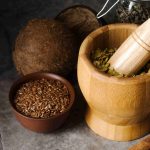
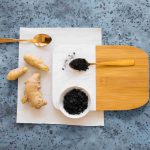
Traditional herbs have been used for centuries in health and personal care practices. Today, these botanicals continue to play a vital role in modern industries, supported by improved extraction technologies, quality control, and global demand for natural ingredients. While supplements and cosmetics remain the primary applications, traditional herbs are now widely used across multiple sectors, reflecting their versatility and market relevance.
1. Supplements: The Core Application of Traditional Herbs
Dietary supplements remain the most established application for traditional herbal ingredients. Modern supplement formulations rely on standardized herbal extracts to ensure consistency, safety, and efficacy.
Supplement industries commonly use herbs as ingredients to support their formulas:
- Daily wellness and vitality
- Antioxidant intake
- Skin and hair health from within
- Lifestyle balance and general well-being
Manufacturers favor herbal extracts in liquid, powder, or encapsulated forms due to their flexibility in formulation and compatibility with clean-label requirements.
2. Cosmetics and Personal Care Products
Traditional herbs are increasingly incorporated into cosmetic and personal care formulations. Botanical ingredients appeal to consumers seeking natural alternatives to synthetic compounds, particularly in skincare and haircare products.
In cosmetics, herbal extracts are commonly applied for:
- Antioxidant protection against environmental stress
- Supporting skin smoothness and hydration
- Scalp care and hair conditioning
- Enhancing product positioning as natural or plant-based
Cosmetic manufacturers formulate herbal ingredients into serums, creams, shampoos, masks, and leave-on products to support product innovation.
3. Functional Foods and Beverages
Beyond supplements, traditional herbs are gaining popularity in functional foods and beverages. These products focus on daily consumption and preventive wellness rather than targeted supplementation.
Common applications include:
- Herbal teas and infusions
- Wellness drinks and tonics
- Fortified snacks and nutrition bars
- Ready-to-drink functional beverages
Herbal ingredients add both functional value and storytelling appeal to food and beverage products.
4. Wellness and Lifestyle Products
Traditional herbs play an important role in non-ingestible wellness products that support daily routines and self-care practices.
Examples include:
- Aromatherapy products
- Herbal compresses and wellness tools
- Bath and spa products
- Massage oils and topical wellness solutions
These applications align with holistic wellness trends and lifestyle branding.
5. Research, Innovation, and Ingredient Development
Herbal ingredients continue to attract interest from research and development sectors. Extracts are studied for their phytochemical profiles, stability, and potential functional applications in new product categories.
This research-driven approach helps expand the role of traditional herbs beyond conventional uses and supports innovation across industries.
Why Traditional Herbs Remain Industry-Relevant
Several factors sustain the relevance of traditional herbs across supplements, cosmetics, and beyond:
- Long history of traditional use
- Consumer preference for plant-based ingredients
- Compatibility with clean-label and sustainability trends
- Advancements in extraction and standardization
These factors make herbal ingredients a reliable foundation for modern product development.
Conclusion
Traditional herbs are no longer limited to supplements alone. Their applications now span cosmetics, functional foods, wellness products, and ingredient research. By combining traditional knowledge with modern technology, herbal ingredients continue to meet the evolving demands of global markets.
As consumer interest in natural and transparent products grows, traditional herbs will remain essential components across supplements, cosmetics, and diverse wellness industries.
Explore our website to learn more: Click Here