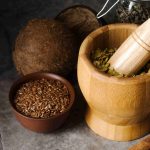
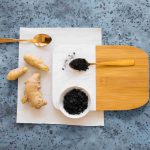
Southeast Asia has become one of the most important sourcing regions for herbal ingredients in the global wellness and skincare industries. With a rich biodiversity, long-standing traditional medicine systems, and improved manufacturing standards, herbs from this region are gaining strong international demand. Key drivers include rising export trends, the global shift toward clean-label products, and enhanced traceability throughout the supply chain. Let’s see the reason why Southeast Asian herbs are in demand in international markets.
1. Strong Growth in Herbal Export Trends
Global demand for natural and plant-based ingredients continues to rise, and Southeast Asian herbs play a significant role in meeting this demand. Countries in the region benefit from favorable climates, diverse plant species, and agricultural expertise that support consistent herbal production.
International markets increasingly source herbs from Southeast Asia for use in:
- Wellness and lifestyle products
- Functional foods and beverages
- Skincare and personal care formulations
- Research and ingredient innovation
This export growth reflects global consumer confidence in the region’s herbal heritage and manufacturing capabilities.
2. Alignment with Clean-Label Demand
Clean-label products are a major driver of purchasing decisions worldwide. Consumers prefer ingredients that are natural, recognizable, and minimally processed. Southeast Asian herbs align well with these expectations due to their plant-based origin and traditional usage.
Key clean-label advantages include:
- Naturally derived botanical sources
- Compatibility with minimal ingredient lists
- Suitability for plant-based and holistic formulations
- Reduced reliance on synthetic additives
As brands seek to simplify formulations while maintaining performance, Southeast Asian herbs provide an effective solution.
3. Improved Traceability and Quality Standards
Traceability has become essential in global ingredient sourcing. Buyers increasingly require clear documentation of origin, cultivation methods, and processing steps. Southeast Asian herbal suppliers have responded by improving transparency and quality control across the supply chain.
Modern sourcing practices now emphasize:
- Farm-to-factory traceability
- Controlled cultivation and harvesting
- Standardized extraction processes
- Compliance with international export requirements
These advancements help ensure consistent quality, safety, and regulatory readiness for global markets.
4. Balance of Tradition and Modern Innovation
One of the unique strengths of Southeast Asian herbs is the balance between traditional knowledge and modern science. While many herbs have centuries of documented traditional use, manufacturers now apply advanced extraction technologies and analytical testing to meet global standards.
This combination enhances ingredient credibility and supports wider adoption in international product development.
5. Competitive Advantage for Global Brands
For global brands, sourcing herbs from Southeast Asia offers both differentiation and scalability. The region provides access to unique plant species while supporting large-scale production, making it attractive for long-term partnerships.
Conclusion
Southeast Asian herbs are in high demand globally due to strong export growth, alignment with clean-label trends, and improved traceability and quality standards. As the wellness and skincare industries continue to prioritize natural, transparent, and sustainable ingredients, Southeast Asia will remain a key sourcing hub for herbal innovation.
Explore our website to learn more: Click Here