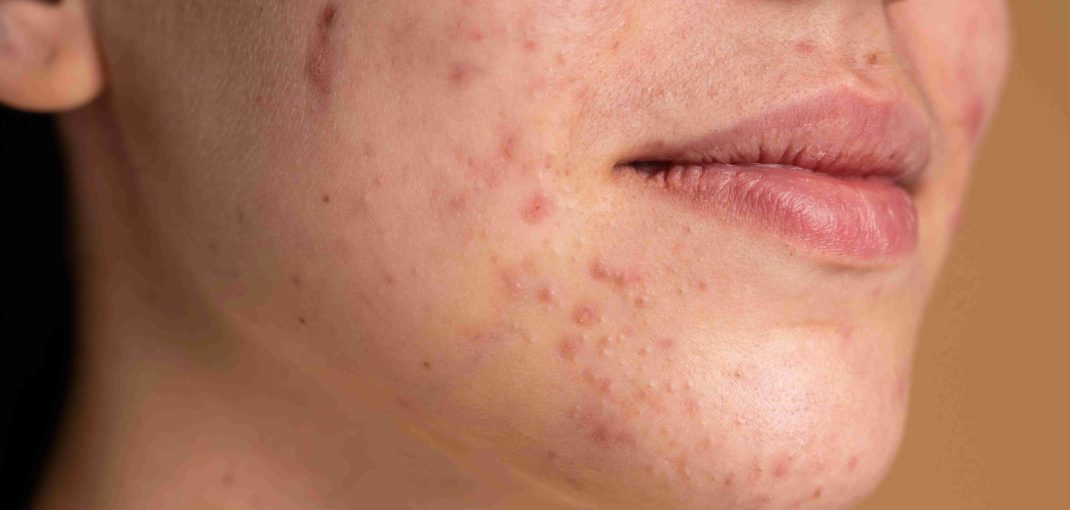
Skin pigmentation is primarily determined by melanin, a natural pigment produced by specialized skin cells called melanocytes. Genetics, sun exposure, hormones, aging, inflammation, and environmental factors all contribute to variations in skin tone and pigmentation. Because hormones can influence skin physiology, researchers have explored whether plant-derived compounds such as those found in Pueraria Mirifica may also affect skin appearance.
Current scientific evidence does not demonstrate that Pueraria Mirifica directly lightens skin, reduces pigmentation, or treats hyperpigmentation.
Why Is Pueraria Mirifica Linked to Skin Health?
Pueraria Mirifica naturally contains phytoestrogens, including miroestrol and deoxymiroestrol. These compounds have attracted scientific attention because estrogen plays a role in maintaining skin hydration, elasticity, and collagen production.
Some laboratory and clinical research suggests phytoestrogens may help support overall skin quality, particularly in postmenopausal women. However, improvements in skin hydration or elasticity should not be interpreted as evidence of changes in pigmentation.
Fact vs. Myth
What Current Evidence Supports
- Research suggests phytoestrogens may support skin hydration and elasticity.
- Healthy skin appearance depends on multiple lifestyle and biological factors.
- Evidence linking Pueraria Mirifica directly to changes in skin pigmentation remains limited.
- No high-quality clinical evidence shows it treats melasma, age spots, or hyperpigmentation.
What Really Influences Skin Pigmentation?
Changes in pigmentation are typically influenced by sun exposure, ultraviolet radiation, genetics, hormones, inflammation, aging, and certain medications. Effective management often involves dermatologist-recommended skincare, sun protection, and appropriate medical evaluation.
While botanical supplements may complement overall wellness, they should not be viewed as substitutes for evidence-based skincare practices.
Supporting Healthy Skin Naturally
Daily Skin Wellness Habits
- Use broad-spectrum sunscreen every day.
- Maintain adequate hydration.
- Consume a balanced diet rich in antioxidants.
- Sleep sufficiently to support normal skin repair.
- Follow a consistent skincare routine suitable for your skin type.
Conclusion
Pueraria Mirifica for skin pigmentation remains more myth than established fact. While its naturally occurring phytoestrogens have shown potential to support aspects of skin health such as hydration and elasticity, current scientific evidence does not demonstrate that the botanical directly changes skin pigmentation or treats pigment-related conditions. A balanced lifestyle, sun protection, and evidence-based skincare remain the foundation of healthy skin.
Explore Premium Pueraria Mirifica Products
Discover authentic Thai botanical supplements developed with carefully selected ingredients and quality manufacturing standards. Visit the Pueraria Thai Shop to explore our complete collection of Pueraria Mirifica wellness products.
Frequently Asked Questions
Can Pueraria Mirifica lighten skin?
Current scientific evidence does not support claims that Pueraria Mirifica directly lightens skin or changes natural skin pigmentation.
Does Pueraria Mirifica help with hyperpigmentation?
There is currently insufficient clinical evidence to conclude that Pueraria Mirifica treats hyperpigmentation, melasma, or age spots.
Can phytoestrogens support healthy skin?
Research suggests phytoestrogens may help support skin hydration and elasticity, but their effects on pigmentation have not been clearly established.
What has the greatest influence on skin pigmentation?
Genetics, sun exposure, hormones, inflammation, aging, and daily skincare habits are the primary factors influencing skin pigmentation.