As interest in plant-based wellness continues to grow, phytoestrogen-containing herbs and foods have become a major focus in women’s wellness conversations. Among these, Pueraria mirifica and soy stand out as two of the most widely discussed botanical sources of plant-derived estrogen-like compounds.
Although both are associated with isoflavones and phytoestrogen activity, they differ significantly in botanical origin, compound profile, traditional context, and modern product application. Understanding these distinctions helps brands, formulators, and consumers make more informed choices when exploring natural estrogen plants.
What Are Phytoestrogens?
Phytoestrogens are naturally occurring plant compounds that share structural similarities with human estrogen. They can interact with estrogen receptors and influence biological pathways associated with hormonal balance and cellular activity.
Phytoestrogens appear across a wide range of plants, including:
- Legumes such as soy and red clover
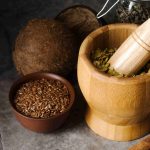
- Seeds and whole foods like flaxseed
- Traditional herbs such as Pueraria mirifica and kudzu
Rather than acting as hormones, these compounds function as plant-based modulators. This has made phytoestrogen herbs central to botanical wellness formulations focused on long-term balance and lifestyle support.
Soy: The Most Widely Consumed Phytoestrogen Source
Soy remains the most globally consumed source of dietary phytoestrogens. It naturally contains isoflavones such as genistein and daidzein, which have been widely studied and integrated into functional foods, supplements, and cosmetics.
Key characteristics of soy include:
- Extensive research background
- Strong presence in functional foods and beverages
- Association with nutritional and lifestyle wellness
- Broad regulatory acceptance across markets
Because soy is a dietary staple in many cultures, brands often position soy isoflavones within nutrition-based wellness strategies rather than concentrated herbal supplementation alone.
Pueraria Mirifica: A Concentrated Phytoestrogen Herb
Pueraria mirifica is a traditional Thai botanical recognized for its unique phytoestrogen profile. In addition to common isoflavones, it contains rare compounds such as miroestrol and deoxymiroestrol, which differentiate it from food-based phytoestrogen sources.
Distinct features of Pueraria mirifica include:
- A more diverse phytoestrogen spectrum
- Long-standing traditional use in Southeast Asia
- Strong positioning in women’s wellness formulations
- Growing application in nutricosmetics and skincare
Because of its botanical density, manufacturers often use Pueraria mirifica in standardized extracts designed for targeted wellness and beauty-focused products.
Pueraria Mirifica vs Soy: Key Differences
While both plants fall under the phytoestrogen category, their roles in product development differ significantly.
Source and concentration
Soy functions primarily as a food-based phytoestrogen source, while Pueraria mirifica serves as a concentrated botanical extract used in specialized wellness products.
Formulation approach
Soy integrates easily into foods, beverages, and nutritional supplements. Pueraria mirifica commonly appears in capsules, liquid extracts, beauty supplements, and skincare formulations.
Botanical complexity
Pueraria mirifica offers rare phyto-compounds not typically found in soy, giving it unique differentiation in phytoestrogen-focused product lines.
Market positioning
Soy supports general nutrition and functional food categories. Pueraria mirifica often anchors women’s wellness, beauty-from-within, and lifestyle balance formulations.
Other Notable Phytoestrogen Herbs and Natural Estrogen Plants
Beyond soy and Pueraria mirifica, several other plants attract interest in phytoestrogen research and herbal wellness development.
These include:
- Red clover, widely used in botanical blends
- Flaxseed, a dietary lignan source
- Kudzu, a close botanical relative of Pueraria species
- Licorice root, which contains estrogen-influencing flavonoids
Each plant presents a different phytoestrogen profile, allowing formulators to design products based on functional goals, regulatory frameworks, and consumer preferences.
The Growing Interest in Natural Estrogen Plants
In 2026, consumers increasingly seek plant-based alternatives that align with preventive wellness, clean-label expectations, and holistic lifestyle values. Natural estrogen plants fit this movement by offering botanical compounds that complement nutrition, skincare, and wellness strategies.
This has fueled growth in:
- Women’s herbal formulations
- Beauty-from-within supplements
- Botanical skincare
- Functional beverages with phyto-compound positioning
As education and research continue to expand, phytoestrogen herbs remain central to plant-based wellness innovation.
Conclusion
Although soy and Pueraria mirifica both provide phytoestrogens, they serve different roles within botanical wellness. Soy remains foundational within functional foods and nutritional applications, while Pueraria mirifica offers a more concentrated and botanically complex profile that supports targeted women’s wellness and beauty-focused formulations.
Together with other phytoestrogen herbs, these natural estrogen plants continue to shape the future of plant-based wellness, offering diverse options for brands, manufacturers, and consumers exploring botanical approaches to long-term balance and vitality.
Explore our website to learn more: Click Here