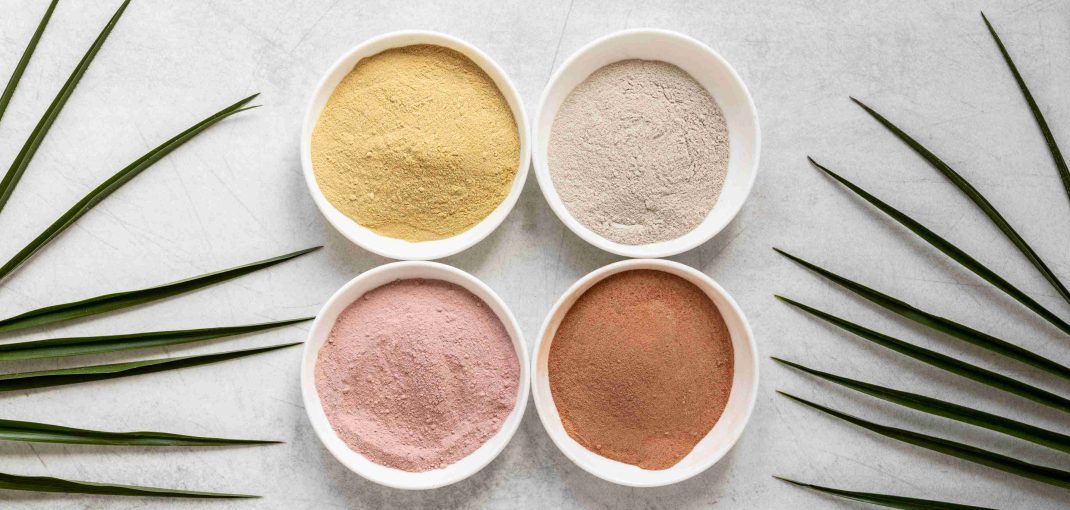
Butea Superba has been part of traditional Thai herbal practices for generations. Known as a native Southeast Asian plant, it has become one of Thailand’s most recognized botanical ingredients in the men’s wellness category.
Over the past decade, growing consumer demand for natural health solutions has encouraged scientists, herbal manufacturers, and wellness brands to examine Butea Superba more closely. In 2026, research interest continues to expand beyond traditional use and into broader discussions about botanical compounds, extraction technologies, and ingredient standardization.
While many consumers know Butea Superba through supplement products, researchers are increasingly focused on understanding the plant’s phytochemical composition and how modern manufacturing methods may improve consistency and quality.
- Botanical compound identification
- Plant extract standardization
- Quality control technologies
- Sustainable cultivation practices
- Men’s wellness applications
- Advanced extraction methods
This growing scientific interest reflects a broader trend toward evidence-based botanical innovation throughout the global supplement industry.
Why Scientists Continue Studying Butea Superba
The global herbal supplement market has become increasingly competitive. Researchers are not only investigating well-known ingredients but are also exploring traditional plants that may offer unique phytochemical profiles.
Butea Superba stands out because it combines strong cultural heritage with growing commercial interest. As consumers seek natural wellness products, scientific communities are working to better understand the plant’s composition and manufacturing potential.
This approach allows researchers to evaluate how traditional herbs fit into contemporary wellness markets.
Research Focus #1: Understanding Botanical Compounds
One of the most active areas of Butea Superba research involves identifying and characterizing naturally occurring compounds found within the plant.
Scientists use advanced laboratory technologies to examine phytochemical profiles and evaluate how different cultivation conditions may influence plant composition.
Researchers are particularly interested in:
- Plant-derived compounds
- Natural phytochemical diversity
- Variations between growing regions
- Differences between harvest seasons
- Long-term cultivation consistency
Understanding these factors helps manufacturers create more standardized products and improve overall quality control.
Research Focus #2: Extract Standardization
As discussed throughout the herbal industry, standardization has become a major priority for manufacturers and researchers alike.
One challenge with botanical ingredients is natural variation. Plants can differ depending on environmental conditions, cultivation practices, and harvest timing.
Consumers increasingly expect consistency from herbal supplements. Standardized extracts help manufacturers maintain defined quality specifications from batch to batch.
In 2026, many research projects continue exploring how extraction and standardization techniques can improve reliability while preserving botanical integrity.
Research Focus #3: Sustainable Cultivation and Supply Chains
As demand for Butea Superba grows internationally, sustainability has become an important research topic.
Scientists and agricultural experts are evaluating cultivation practices that support long-term plant availability while minimizing environmental impact.
Crop Sustainability
Developing cultivation systems that support long-term production.
Traceability
Improving transparency throughout botanical supply chains.
Quality Consistency
Maintaining reliable raw material standards across harvests.
These efforts are becoming increasingly important as consumers demand greater transparency regarding ingredient sourcing.
Research Focus #4: Advanced Extraction Technologies
Extraction methods play a critical role in modern botanical manufacturing.
Researchers continue investigating how different extraction technologies influence the composition and consistency of herbal ingredients.
Current areas of interest include:
- Solvent optimization
- Extraction efficiency
- Compound preservation
- Quality assurance procedures
- Manufacturing scalability
These advancements help manufacturers create more reliable botanical ingredients while supporting quality control objectives.
Research Focus #5: The Growing Men’s Wellness Market
The global men’s wellness sector continues expanding rapidly, creating increased interest in ingredients traditionally associated with male health.
Researchers are monitoring consumer behavior and market trends to better understand how botanical ingredients fit into modern wellness routines.
| Traditional Men’s Wellness Focus | Modern Men’s Wellness Focus |
|---|---|
| Short-term solutions | Long-term lifestyle support |
| Single-product use | Holistic wellness routines |
| Limited personalization | Individual wellness goals |
| Reactive approaches | Preventive wellness strategies |
This broader wellness perspective continues influencing both scientific research priorities and product development strategies.
How Butea Superba Fits Into Botanical Innovation
The supplement industry is constantly searching for ingredients that combine traditional heritage with modern scientific credibility.
Butea Superba represents an interesting example of this intersection. Its long-standing presence in Thai herbal traditions provides historical context, while ongoing research contributes to greater understanding of cultivation, extraction, and quality assurance.
As botanical innovation continues evolving, ingredients with strong cultural roots and growing scientific interest may attract increasing attention from both consumers and manufacturers.
What Consumers Should Watch for in 2026
Consumers interested in Butea Superba products may notice several industry trends over the coming years.
- Greater emphasis on standardized extracts
- Improved product traceability
- More transparent ingredient sourcing
- Enhanced quality testing protocols
- Increased focus on sustainable cultivation
- Better consumer education around botanical ingredients
These developments reflect the broader maturation of the herbal supplement industry and its commitment to quality assurance.
Conclusion
Butea Superba research in 2026 extends far beyond traditional herbal use. Scientists are actively studying plant compounds, extraction methods, cultivation practices, standardization processes, and quality assurance technologies.
While much of this work focuses on improving manufacturing consistency and understanding botanical composition, it also reflects a larger movement toward evidence-based herbal innovation.
As research continues, Butea Superba remains an important example of how traditional Thai botanicals can contribute to the future of global wellness products.
Explore Premium Butea Superba Products
Discover high-quality Thai herbal supplements crafted with modern manufacturing standards, transparent sourcing, and a commitment to botanical excellence.
Shop Herbal ProductsFAQs About Butea Superba Research
Why is Butea Superba being researched in 2026?
Researchers are studying its botanical compounds, cultivation practices, extraction methods, and quality control systems as interest in herbal wellness continues to grow.
What are the main areas of Butea Superba research?
Current research focuses on phytochemical analysis, extract standardization, sustainable cultivation, manufacturing quality, and botanical innovation.
Why is standardization important for Butea Superba?
Standardization helps improve consistency and quality control by ensuring extracts meet predetermined specifications.
How does sustainability affect Butea Superba production?
Sustainable cultivation practices help maintain long-term supply, protect natural resources, and support responsible botanical sourcing.
What does the future look like for Butea Superba research?
Future research is expected to focus on advanced extraction technologies, enhanced quality standards, supply chain transparency, and continued botanical innovation.