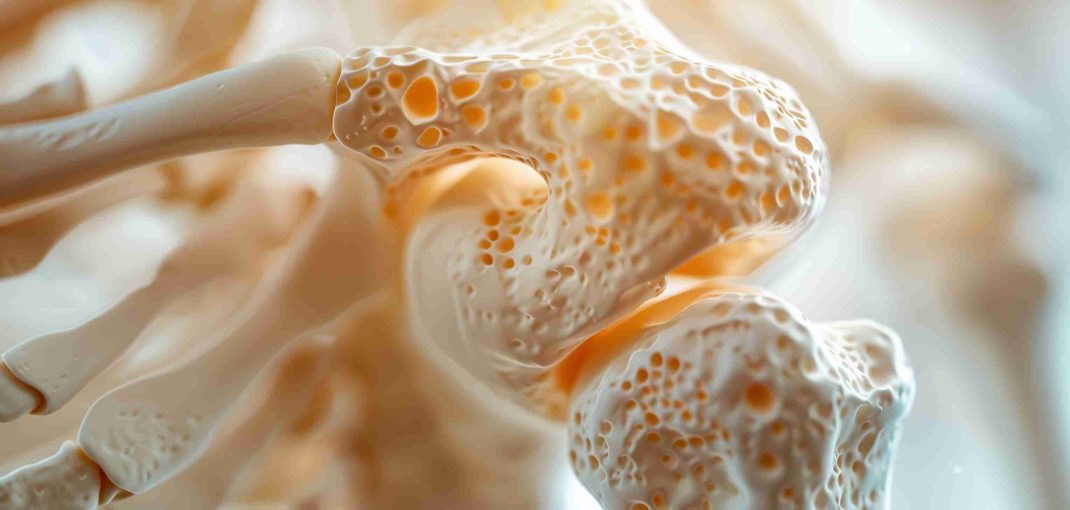
Bone is a living tissue that is continuously broken down and rebuilt throughout life. As people age, especially after menopause, bone remodeling may gradually shift toward greater bone loss than bone formation. Maintaining healthy bone density becomes increasingly important for supporting strength, mobility, and overall quality of life. Because estrogen contributes to normal bone metabolism, scientists have become interested in plant-derived compounds that exhibit estrogen-like activity, including those naturally found in Pueraria Mirifica.
Healthy bones depend on multiple factors including nutrition, physical activity, hormonal balance, age, genetics, and overall lifestyle—not a single supplement alone.
Understanding Phytoestrogens
Pueraria Mirifica naturally contains phytoestrogens such as miroestrol, deoxymiroestrol, and other isoflavone-related compounds. These plant compounds can interact with estrogen receptors, which has led researchers to investigate their potential role in supporting women’s wellness during and after menopause.
Phytoestrogens differ from human estrogen and do not replace the body’s natural hormones. Instead, researchers continue studying how these naturally occurring compounds interact with various tissues, including bone.
What Research Says About Bone Density
Several preclinical and clinical studies have examined Pueraria Mirifica in relation to menopausal wellness and bone metabolism. Some findings suggest that phytoestrogen-rich botanicals may help support normal bone remodeling during periods of declining estrogen levels.
However, scientific evidence remains limited, and researchers continue to evaluate the long-term effects of Pueraria Mirifica on bone mineral density in larger human studies.
At present, Pueraria Mirifica should not be viewed as a treatment for osteoporosis or other bone disorders.
Supporting Bone Health Beyond Supplements
Healthy Habits That Matter
- Consume adequate calcium and vitamin D through diet or appropriate supplementation.
- Perform regular weight-bearing and resistance exercises.
- Maintain sufficient protein intake to support bone structure.
- Avoid smoking and excessive alcohol consumption.
- Schedule regular health checkups, especially after menopause.
These evidence-based lifestyle habits remain the cornerstone of maintaining healthy bones throughout adulthood.
Who Should Use Extra Caution?
Individuals with osteoporosis, endocrine disorders, or those taking medications that affect bone metabolism should consult a healthcare professional before introducing new dietary supplements.
Likewise, people with hormone-sensitive medical conditions should seek individualized medical guidance before using products containing phytoestrogens.
Conclusion
Pueraria Mirifica and bone density continue to be promising areas of scientific investigation. While its naturally occurring phytoestrogens have attracted interest for their potential role in supporting healthy bone metabolism, current evidence remains preliminary. The best approach to maintaining bone health combines balanced nutrition, regular exercise, healthy lifestyle choices, and professional medical care when appropriate.
Explore Premium Pueraria Mirifica Products
Looking for authentic Thai botanical supplements? Visit the Pueraria Thai Shop to discover premium Pueraria Mirifica products developed to complement a balanced wellness routine.
Frequently Asked Questions
Can Pueraria Mirifica increase bone density?
Current research suggests potential supportive effects on normal bone metabolism, but there is insufficient evidence to conclude that Pueraria Mirifica increases bone density or treats bone disorders.
Why are phytoestrogens studied for bone health?
Because estrogen contributes to normal bone maintenance, researchers are investigating whether plant-derived phytoestrogens may help support healthy bone metabolism, particularly after menopause.
Can Pueraria Mirifica replace osteoporosis treatment?
No. Pueraria Mirifica should not replace prescribed medications or medical treatment for osteoporosis or other bone diseases.
What else supports healthy bones?
A balanced diet rich in calcium and vitamin D, regular weight-bearing exercise, adequate protein intake, and routine medical care remain essential for maintaining bone health.