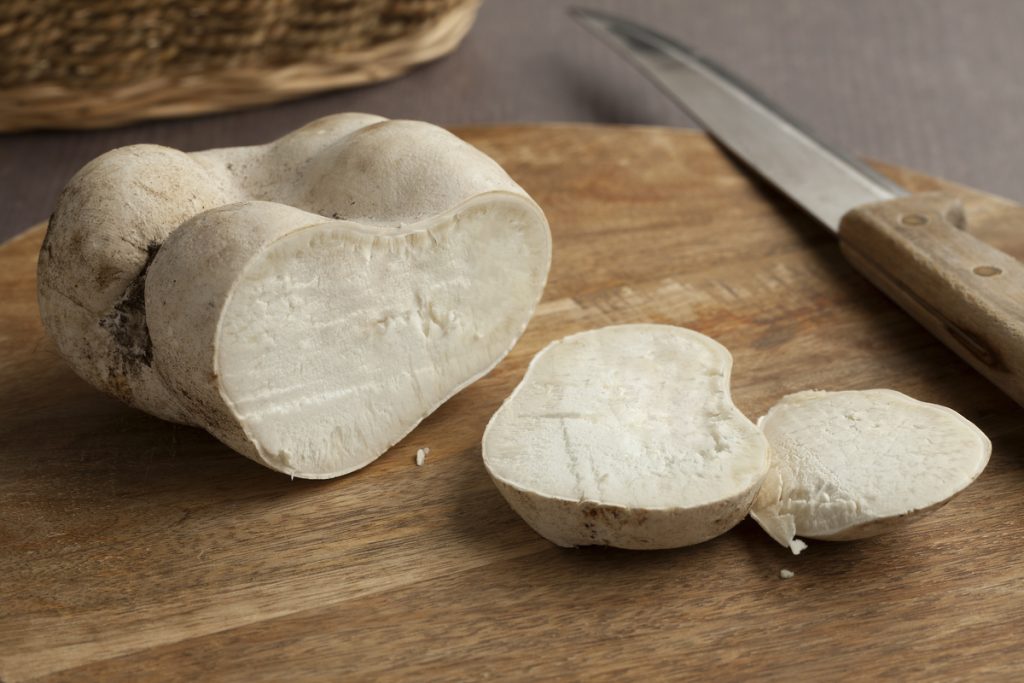
When estrogen levels plummet during menopause, bone resorption (breakdown) often outpaces bone formation. By 2026, clinical trials have solidified Pueraria mirifica (PM) as a legitimate phytoestrogenic alternative for maintaining skeletal integrity without the “heavy” systemic impact of traditional HRT.
1. The Skeletal Shield: How PM Protects Your Bones
Pueraria mirifica contains a unique profile of isoflavones and the potent miroestrol. These compounds interact with estrogen receptors in the bone tissue to provide a multi-layered defense against menopause osteoporosis.
- Inhibit Osteoclasts: PM helps suppress the cells responsible for breaking down bone, effectively slowing the rate of bone loss.
- Lower Bone Turnover Markers: 2025–2026 data shows that standardized PM can significantly lower bone-specific alkaline phosphatase (AP) levels, a key indicator of excessive bone turnover.
- Improve Cortical Bone Quality: Unlike some supplements that only affect trabecular bone, research suggests PM specifically ameliorates loss in the cortical diaphysis, which is crucial for preventing long-bone fractures.
2. Pueraria Mirifica and Breast Cancer: A Selective Relationship
The most frequent question in 2026 remains: If it acts like estrogen, is it safe for my breasts? The answer lies in the concept of Selectivity.
The Antiproliferative Potential
While PM is estrogenic, it doesn’t always behave like the endogenous estrogen produced by the body. In fact, it may offer natural menopause supplements users a unique safety profile:
Competitive Binding: Miroestrol can act as a Selective Estrogen Receptor Modulator (SERM). It competes with stronger, potentially harmful estrogens for receptor sites, potentially preventing aggressive hormonal signals from stimulating tumor growth.
The High-Dose Paradox: Some 2026 lab models (MCF-7 cell lines) suggest that while low doses of phytoestrogens can be stimulatory, high-purity extracts may exhibit antiproliferative effects, actually slowing the growth of rogue cells.
Safety Consensus: Despite these benefits, if you have a history of ER-positive breast cancer, oncologists in 2026 still advise caution. PM is powerful, and its “protective” vs. “stimulatory” threshold is highly individual.
3. Product Suggestion: Quality Standards for Bone Health
For Pueraria mirifica bone density support, “root powder” is rarely enough. In 2026, your supplement must meet these three pillars of quality:
- Standardized Miroestrol: Ensure the product is standardized to contain a specific percentage of miroestrol, not just general “isoflavones.”
- The 50mg Threshold: Most clinical efficacy for bone markers has been observed at doses between 25mg and 50mg of high-quality extract daily.
- Purity Certification: Only use brands that provide a Certificate of Analysis (COA) to prove the absence of heavy metals and synthetic adulterants.
PM vs. Traditional HRT: Bone Health Comparison
| Feature | Modern HRT | Pueraria Mirifica (PM) |
|---|---|---|
| Bone Protection | Clinically proven / High | Strong emerging evidence |
| Breast Impact | Known risk factor (long-term) | Selective; potentially protective |
| Vaginal Health | Excellent relief | Significant relief of dryness |
| Hormone Type | Synthetic or Bioidentical | Plant-based (Phytoestrogen) |