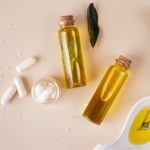
Training places temporary stress on the body. Resistance exercise in particular creates a stimulus that requires adequate recovery, nutrition, sleep, and adaptation before the body is ready for another demanding session. Muscle recovery involves several overlapping processes, including repair of exercise-related tissue stress, restoration of energy stores, regulation of inflammation, and adaptation to training. Hormonal and psychological factors can also influence how well someone feels and performs after a workout.
What Is Tongkat Ali?
Tongkat Ali, scientifically known as Eurycoma longifolia, is a Southeast Asian botanical traditionally used in men’s wellness. Modern research has focused particularly on its potential relationship with stress, hormonal function, physical performance, and overall vitality.
Interest in Tongkat Ali and exercise recovery has grown because physiological stress can affect training performance and how the body responds to demanding physical activity.
However, Tongkat Ali should not be viewed as a conventional muscle-building ingredient. The research surrounding exercise and recovery is still developing, and results can vary depending on the extract, dosage, study population, and training protocol.
What Research Says About Tongkat Ali and Exercise
Studies investigating Tongkat Ali and muscle recovery have explored several areas relevant to people who exercise regularly. Researchers have examined potential effects on stress-related measures, hormonal markers, body composition, and aspects of physical performance.
One reason Tongkat Ali has attracted attention is its potential relationship with the body’s response to stress. Exercise itself is a form of physiological stress, and excessive training combined with inadequate recovery can contribute to fatigue and reduced performance.
How Stress May Affect Post-Workout Recovery
Exercise, work demands, insufficient sleep, and other stressors can all influence recovery. Cortisol is one of the hormones involved in the body’s stress response, while testosterone and other endocrine signals contribute to numerous physiological processes.
Some research on Tongkat Ali has investigated whether standardized extracts may influence stress-related and hormonal measures. These findings have contributed to interest in its potential use among physically active adults.
- Stress response: Research has examined whether Tongkat Ali may support a healthier response to stress.
- Hormonal wellness: Some studies have investigated testosterone-related markers, particularly in men experiencing stress or lower baseline levels.
- Exercise performance: Preliminary research has explored possible relationships with strength, fitness, and physical performance.
- Recovery perception: Reduced stress and improved well-being may indirectly support how an individual experiences recovery.
These areas are related but should not be interpreted as proof that Tongkat Ali directly accelerates muscle tissue repair.
Should Tongkat Ali Be Taken After a Workout?
There is currently no strong evidence establishing that taking Tongkat Ali immediately after exercise provides a unique muscle-recovery advantage. Unlike protein or carbohydrate intake, which have well-established roles in post-exercise nutrition, Tongkat Ali is not considered a fundamental post-workout nutrient.
For people who choose to use Tongkat Ali, consistency according to the product’s instructions is generally more relevant than timing it around a particular workout.
The appropriate serving can vary considerably between products because extracts may differ in concentration and standardization. Always follow the manufacturer’s directions rather than assuming that a larger serving will produce greater benefits.
Tongkat Ali and Muscle Recovery: What It May and May Not Do
The distinction between potential support and proven effects is important when evaluating herbal supplements. Current research provides reasons for continued investigation, but it does not establish Tongkat Ali as a direct muscle-repair agent.
- Potentially relevant: Supporting stress management and overall men’s wellness.
- Being investigated: Effects on hormonal markers and aspects of physical performance.
- Not established: Directly accelerating muscle protein synthesis or repairing exercise-damaged muscle.
- Still essential: Adequate protein, calories, hydration, sleep, and recovery time.
This balanced perspective makes it easier to understand where Tongkat Ali may fit within a broader exercise and wellness strategy.
Building a Better Post-Workout Recovery Routine
Whether or not someone uses Tongkat Ali, the fundamentals of recovery should come first. A practical post-workout routine can include adequate protein and nutrient intake, sufficient fluids, quality sleep, and enough time between demanding training sessions.
Prioritize protein and nutrition
Protein provides amino acids required for maintaining and repairing muscle tissue. Overall calorie and nutrient intake also influence the body’s ability to adapt to training.
Protect sleep quality
Sleep supports numerous processes involved in physical recovery, hormonal regulation, and mental performance. Consistently inadequate sleep can undermine the benefits of a well-designed training program.
Manage training volume
Progressive training is important, but continually increasing exercise intensity without sufficient recovery can increase fatigue. Rest days and appropriate training variation are valuable components of long-term progress.
Choosing a Quality Tongkat Ali Extract
Product quality is particularly important when evaluating botanical extracts. Look for products that clearly identify Eurycoma longifolia, provide transparent serving information, and are manufactured using appropriate quality-control procedures.
Extract concentration and standardization can differ between products, so comparing products solely by capsule weight may be misleading.
Anyone taking prescription medication or managing an existing medical condition should consult a qualified healthcare professional before adding Tongkat Ali to a supplement routine.
Explore Premium Thai Herbal Wellness
Discover a curated collection of botanical products inspired by Southeast Asian herbal traditions and developed with a focus on quality. Explore the herbal collection and find products suited to your wellness routine.
Explore Our Herbal CollectionFrequently Asked Questions
Does Tongkat Ali speed up muscle recovery?
Current evidence does not establish that Tongkat Ali directly accelerates muscle tissue repair. Research has instead explored its potential relationship with stress, hormonal function, and physical performance.
Should I take Tongkat Ali immediately after a workout?
There is no strong evidence that immediate post-workout use provides a unique recovery benefit. If using Tongkat Ali, follow the product’s recommended serving and timing instructions.
Can Tongkat Ali support exercise performance?
Some preliminary research has investigated Tongkat Ali in relation to physical performance and hormonal markers, but evidence remains limited and results may vary between individuals and products.
What matters most for muscle recovery?
Adequate protein and nutrition, hydration, quality sleep, appropriate training volume, and sufficient recovery time are the primary foundations of effective muscle recovery.
Is Tongkat Ali a substitute for post-workout nutrition?
No. Tongkat Ali should not replace protein, carbohydrates, fluids, or other essential nutrients needed to support exercise recovery and overall health.