The moment after childbirth is often described as a “hormonal cliff.” Within 24 hours of delivery, your levels of estrogen and progesterone drop to nearly pre-pregnancy levels. For many women, this sudden shift leads to the “baby blues,” extreme fatigue, and the dreaded postpartum hair loss.
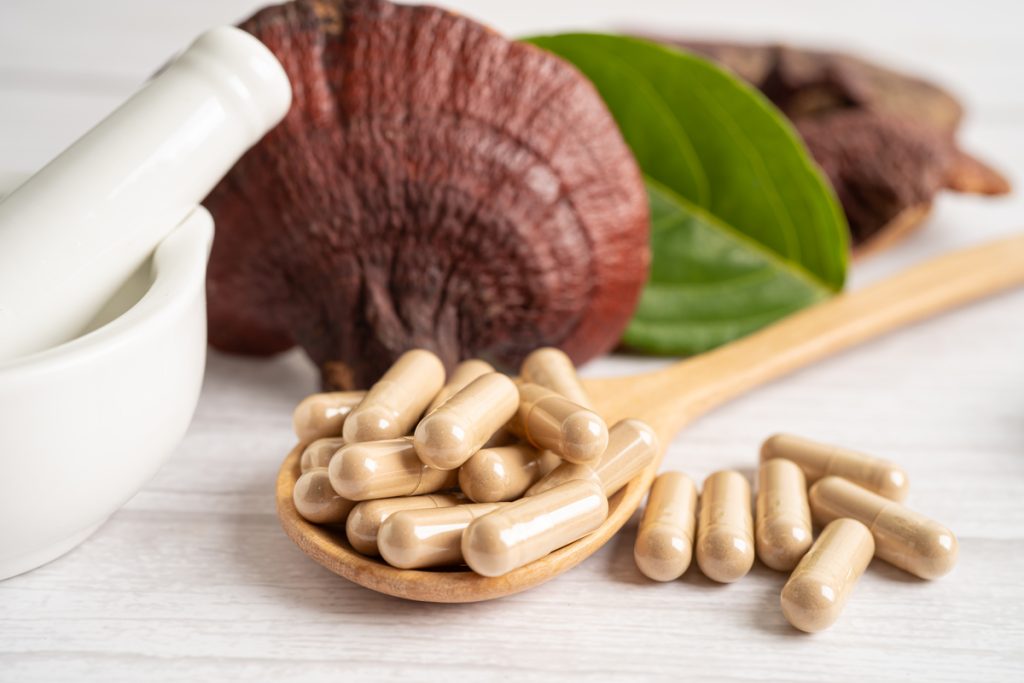
While your body is designed to recalibrate, many women look for botanical support to smooth out the transition. Pueraria Mirifica for postpartum recovery is frequently discussed due to its rich concentration of unique phytoestrogens. But is it the right choice for your recovery journey?
Understanding the Postpartum “Crash”
During pregnancy, your estrogen levels are at an all-time high. When they plummet after birth, it affects several key areas of your well-being:
- Mood: Estrogen regulates serotonin; a sudden drop can lead to irritability and sadness.
- Skin & Hair: The “glow” disappears, and hair enters the shedding phase (telogen effluvium).
- Metabolism: Hormonal shifts can make it harder to shed pregnancy weight and maintain steady energy.
How Pueraria Mirifica Supports Recovery
1. A “Soft Landing” for Estrogen Levels
Pueraria Mirifica contains miroestrol, a compound that closely mimics the activity of human estrogen. By gently binding to estrogen receptors, it can help provide a “softer landing” during the weeks following birth, potentially easing the intensity of mood swings and night sweats.
2. Combating Postpartum Hair Loss
Hair loss usually peaks 3–4 months after delivery. Because Pueraria Mirifica for postpartum health supports the estrogenic environment that keeps hair in the “growth” phase, it may help reduce the volume of shedding and encourage faster regrowth of healthy strands.
3. Restoring Skin Integrity
Pregnancy can stretch and change the skin’s texture. The phytoestrogens in this root stimulate collagen and elastin production, helping the skin on the face and body regain its firmness and “bounce” more effectively.
⚠️ The Critical Safety Note: Breastfeeding
Before adding Pueraria Mirifica to your postpartum routine, there is one essential factor to consider: Breastfeeding.
The Risk: Because Pueraria Mirifica is a potent phytoestrogen, it can potentially interfere with prolactin, the hormone responsible for milk production. High levels of estrogen (even plant-based) can sometimes signal the body to “dry up” or reduce milk supply.
The Verdict: If you are breastfeeding, most experts recommend avoiding oral Pueraria Mirifica. If you are not breastfeeding, it can be a valuable tool for resetting your hormonal baseline.
Postpartum Recovery Timeline
Hormonal health is a marathon, not a sprint. Here is how to structure your support:
| Phase | Focus | Recommended Support |
|---|---|---|
| Weeks 1–6 | Uterine healing & Rest | Gentle herbs like Red Raspberry Leaf & Nettle. |
| Months 2–4 | Hormone Stabilization | Consider Pueraria Mirifica (if not nursing) to combat hair loss. |
| Months 6+ | Total Vitality | Standardized extracts for energy and skin elasticity. |
Disclaimer: Always consult with your healthcare provider or an endocrinologist before starting any hormonal supplement, especially during the postpartum period.