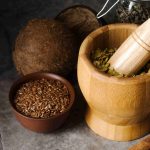
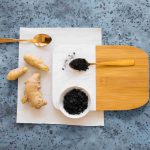
The global wellness and skincare industries continue to evolve as consumers demand safer, more effective, and environmentally responsible solutions. In 2026, herbal ingredients are expected to play a central role in product innovation, driven by advances in extraction technology, scientific validation, and a growing preference for plant-based lifestyles. Rather than focusing solely on traditional usage, modern herbal trends emphasize efficacy, transparency, sustainability, and multifunctionality. Below are the key herbal trends shaping wellness and skincare in 2026.
1. Science-Backed Herbal Ingredients
Consumers in 2026 are more informed than ever. Brands increasingly support herbal ingredients with clinical data, standardized extracts, and clear bioactive profiles. This shift strengthens consumer trust and allows manufacturers to position herbal products as evidence-based rather than anecdotal.
Developments include:
- Standardized active compounds
- Documented antioxidant and skin-support functions
- Improved bioavailability through modern extraction techniques
2. Multifunctional Herbs for Skin and Wellness
One of the strongest herbal trends in 2026 is the use of multifunctional botanicals that support both internal wellness and external skin health. Consumers seek ingredients that deliver multiple benefits within a single formulation.
Common multifunctional benefits include:
- Antioxidant protection
- Skin hydration and elasticity support
- Hair and scalp wellness
- Daily vitality and stress balance
This approach aligns with minimalist routines and simplified product regimens.
3. Clean-Label and Transparent Formulations
Clean-label products continue to dominate wellness and skincare markets. Herbal ingredients fit naturally into this trend, as consumers favor:
- Recognizable plant sources
- Minimal processing
- Clear labeling of origin and extraction methods
In 2026, transparency extends beyond ingredient lists to include sourcing practices, sustainability, and traceability.
4. Sustainable and Ethically Sourced Herbs
Sustainability is no longer optional. Herbal trends in 2026 strongly emphasize:
- Responsible harvesting
- Cultivated plant sources over wild harvesting
- Reduced environmental impact during extraction
Brands that prioritize ethical sourcing and environmental responsibility gain a competitive advantage and long-term consumer loyalty.
5. Advanced Extraction and Delivery Technologies
While herbs remain natural, the technology behind them continues to advance. Modern extraction methods improve stability, purity, and efficacy without compromising the botanical origin.
Popular techniques include:
- Water-based and food-grade solvent extraction
- Concentrated liquid extracts
- Encapsulation for improved stability and skin delivery
These innovations allow herbal ingredients to meet modern performance expectations.
6. Gender-Neutral and Inclusive Wellness Products
Herbal ingredients are increasingly positioned for all genders and age groups, moving away from narrowly defined product categories. This inclusivity expands market reach and reflects evolving consumer expectations in 2026.
7. Herbal Ingredients as Lifestyle Solutions
In 2026, herbal wellness and skincare products are marketed as part of a broader lifestyle rather than isolated treatments. Consumers view herbal products as daily companions that support long-term well-being, healthy aging, and self-care routines.
Conclusion
Herbal trends in 2026 reflect a balanced integration of tradition and innovation. With a focus on science-backed efficacy, multifunctional benefits, clean-label transparency, and sustainability, herbal ingredients continue to redefine the future of wellness and skincare.
As consumer awareness grows, brands that invest in high-quality, responsibly sourced herbal ingredients will lead the next generation of wellness and beauty innovation.
Explore our website to learn more: Click Here